BREAKING
BREAKING: Elon Musk Reveals To Trump He Wants To Lead…

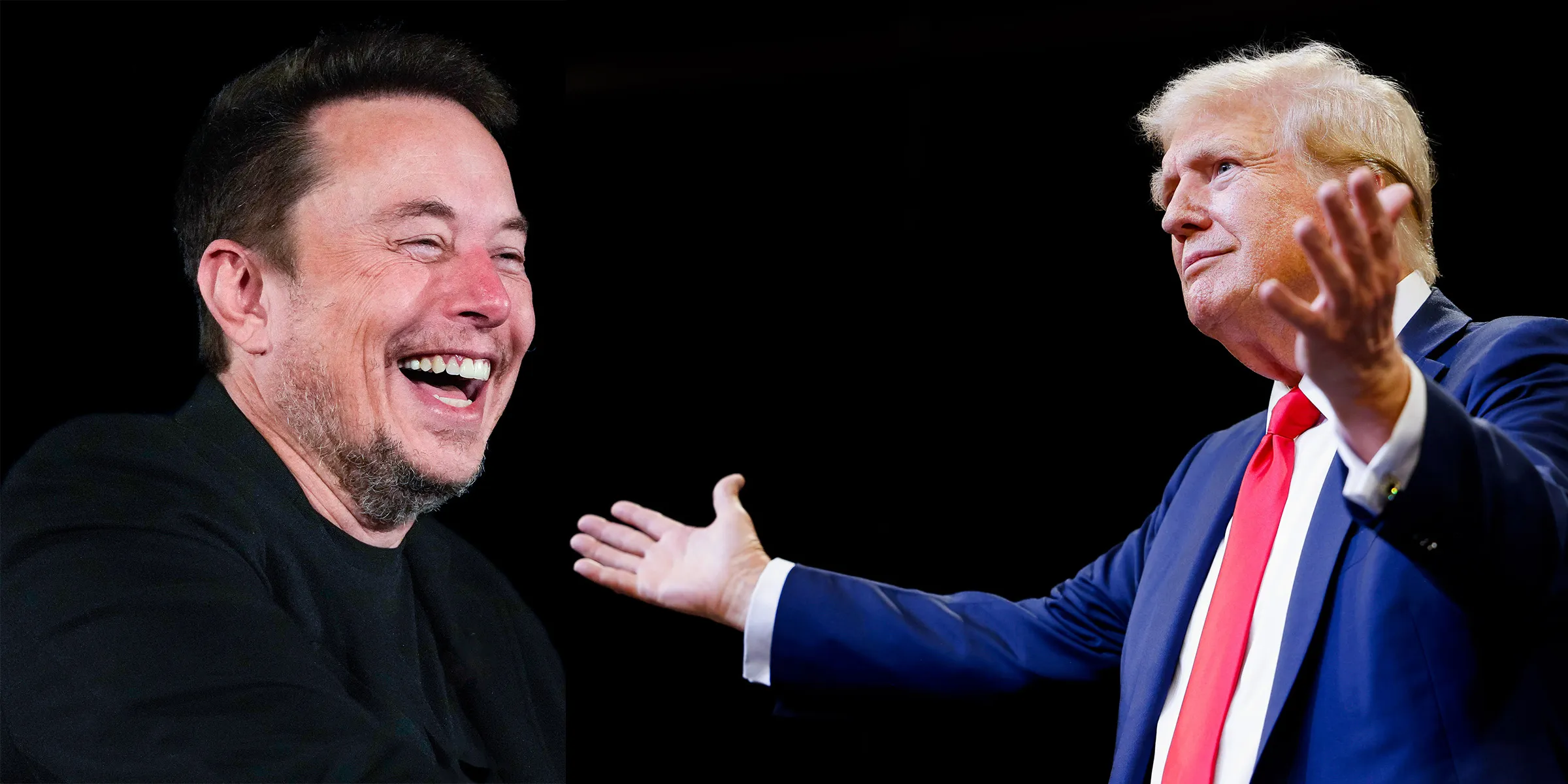
In a move that has set Washington ablaze with both anticipation and dread, Elon Musk, the tech mogul known for his no-nonsense approach to innovation, has publicly thrown his hat into the political ring, not as a candidate, but as a potential reformer of government spending. During a live conversation on X, Musk told former President Donald Trump that he’s ready to spearhead a “government efficiency commission,” aiming to cut through the red tape and the fat of federal expenditures.
Musk, never one to mince words, laid out the stark reality of government spending: “Inflation comes from government overspending because the checks never bounce when it’s written by the government.” This statement, echoing through the halls of power, strikes at the heart of fiscal conservatives who’ve long argued that government spending is not just inefficient but inflationary. Musk’s proposal isn’t just about saving money; it’s about restructuring how Washington operates, challenging the very notion that the government can spend without consequences.
The idea of a commission under Musk’s guidance has sparked a mix of reactions. Conservative circles are buzzing with excitement, seeing this as a long-overdue audit of government waste. “Finally, someone with the guts to tackle the behemoth,” one X post read, capturing the sentiment of many who feel the government has grown too large, too unwieldy, and too wasteful. Musk’s involvement promises not just a review but a revolution in how government projects are greenlit, managed, and completed.
However, the proposal has also ignited fears among those who benefit from the status quo. Critics argue that Musk’s approach might be too aggressive, potentially cutting programs that serve the public good. Yet, Musk’s track record with Tesla and SpaceX suggests he’s not about cutting for the sake of cutting but optimizing for efficiency. His vision for this commission would likely involve streamlining processes, eliminating redundant programs, and ensuring that taxpayer dollars are spent where they’re most effective.
The conversation with Trump, where Musk volunteered his expertise, was not just a casual chat but a strategic alignment. Trump, known for his own battles against what he terms “the swamp,” sees in Musk an ally who could bring a Silicon Valley efficiency mindset to Washington. This could mean the end of multi-billion dollar projects that never see the light of day or are completed at costs far exceeding initial estimates.
Musk’s involvement could also signal a broader shift in how business leaders engage with government. Instead of just lobbying for favors or contracts, here’s a CEO offering to fix the system from within, using his outsider status to challenge the insider game. This move could inspire other business leaders to step up, not just for profit, but for systemic change.
As the political landscape watches this unfold, the implications are vast. If Musk’s commission sees the light of day, it could redefine government efficiency, potentially saving billions, reducing inflation, and setting a new standard for how government operates. For conservatives, this isn’t just about cutting spending; it’s about restoring trust in government by showing that it can operate with the same efficiency as the private sector. Elon Musk’s proposal to Trump might just be the catalyst for a government overhaul that’s been long overdue.