BREAKING
JUSTICE SERVED: Benghazi Attack Suspect Finally in U.S. Custody

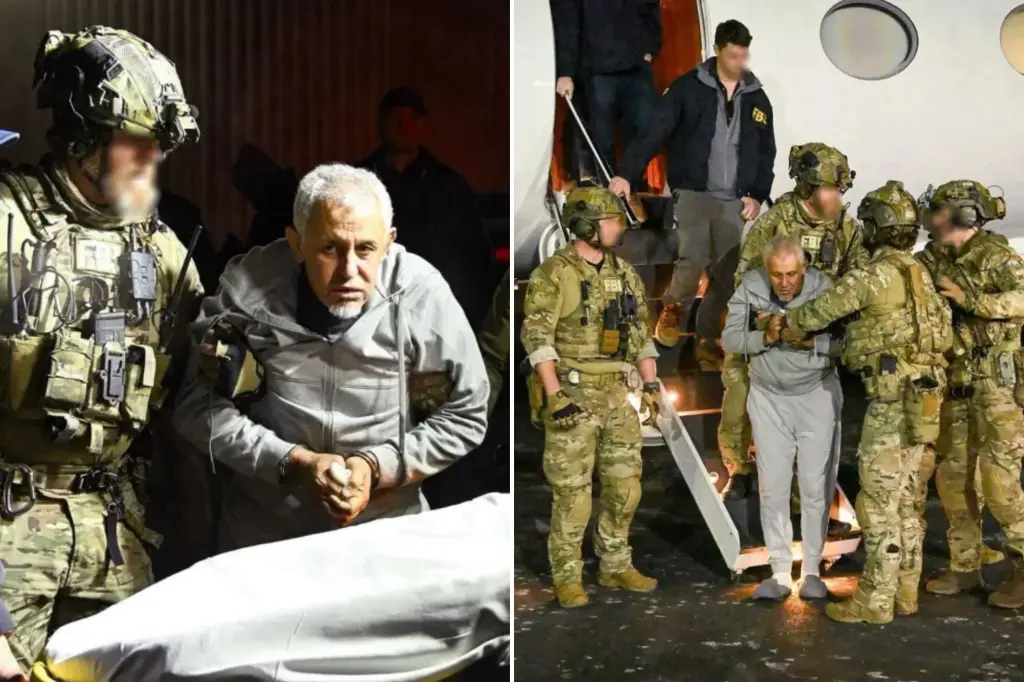
The United States has captured and extradited Zubayr al-Bakoush, a key participant in the deadly 2012 terrorist attack on U.S. facilities in Benghazi, Libya. The operation, announced by Attorney General Pam Bondi on February 6, 2026, underscores the resolve of the current administration to pursue those who murder Americans abroad, no matter how much time has passed.
The Benghazi attack, which occurred on September 11, 2012, remains one of the darkest chapters in recent U.S. foreign policy history. Islamist militants stormed the U.S. Special Mission compound and later the nearby CIA annex, resulting in the brutal deaths of four brave Americans: Ambassador J. Christopher Stevens, Information Management Officer Sean Smith, and security contractors Tyrone Woods and Glen Doherty.
For years, conservatives have demanded answers about the failures that allowed this tragedy to unfold, including inadequate security despite repeated warnings, the Obama administration’s shifting narrative blaming a spontaneous protest rather than premeditated terrorism, and the slow pace of bringing perpetrators to justice.
Al-Bakoush, described by officials as an armed coconspirator and alleged leader within the extremist militia involved, now faces an eight-count federal indictment unsealed in Washington, D.C. The charges include murder, attempted murder, providing material support to terrorism, arson, and conspiracy—serious offenses that carry the potential for life imprisonment or even the death penalty.
Attorney General Pam Bondi, speaking at a press conference alongside FBI Director Kash Patel and U.S. Attorney for the District of Columbia Jeanine Pirro, declared, “We have never stopped seeking justice for that crime against our nation.” She emphasized that al-Bakoush arrived at Joint Base Andrews at 3:00 a.m. on Friday, greeted by top law enforcement officials ready to hold him accountable on American soil.
FBI Director Kash Patel highlighted the interagency and international cooperation that made the capture possible, noting that such operations require seamless coordination with foreign partners. “No one agency alone can do it,” Patel said, praising the relentless pursuit that finally brought this fugitive to justice.
U.S. Attorney Jeanine Pirro detailed the indictment, explaining that al-Bakoush is accused of conducting surveillance on the compound, participating in the assault, and contributing to the fires that engulfed buildings and endangered lives. “We are not done yet,” Pirro warned, signaling that additional suspects may still face the full weight of American law.
This arrest marks the third major apprehension related to the Benghazi attack. Previous captures included Ahmed Abu Khattala in 2014 and Mustafa al-Imam in 2017, though critics have long pointed out that progress under prior administrations was frustratingly slow and often hampered by political considerations.
Conservatives have argued for over a decade that the Benghazi scandal exposed deep flaws in Democratic foreign policy, from the disastrous intervention in Libya that created a power vacuum to the refusal to provide adequate security for diplomatic outposts in high-threat environments.
The House Select Committee on Benghazi, led by Republicans, uncovered evidence of ignored security requests and a deliberate effort to downplay the terrorist nature of the assault in the immediate aftermath, fueling distrust in government institutions.
Ambassador Stevens’ death was particularly tragic; he was a dedicated public servant who believed in engaging with the Libyan people, only to be abandoned when danger mounted.
Tyrone Woods and Glen Doherty, former Navy SEALs serving as CIA contractors, fought heroically for hours during the siege, calling for air support that never came in time—a failure that still haunts their families and fellow veterans.
The attack’s anniversary on September 11 added insult to injury, linking it symbolically to the 2001 attacks and reinforcing the ongoing threat from radical Islamist terrorism.
Under the current Trump administration, there has been a renewed focus on national security and holding terrorists accountable, contrasting sharply with what many see as the previous era’s weakness and apologies abroad.
Bondi’s announcement drew praise from conservative voices, who view it as proof that strong leadership delivers results where hesitation once prevailed.
Fox News, which has covered Benghazi extensively since 2012, provided exclusive footage of al-Bakoush in custody, showing the suspect being transported under heavy guard upon arrival in Virginia.
The Daily Wire described the development as a “Benghazi bombshell,” highlighting how the capture brings long-awaited closure to one of the most politicized events of the Obama years.
While mainstream outlets reported the facts neutrally, conservative commentators noted the irony: after years of investigations dismissed as partisan witch hunts, justice is now advancing under Republican leadership.
Al-Bakoush’s capture sends a powerful message to terrorists worldwide: “You can run, but you cannot hide,” as Bondi put it, echoing a tough-on-crime stance that resonates with patriotic Americans.
This operation also demonstrates the effectiveness of enhanced intelligence and law enforcement capabilities prioritized in recent years.
The indictment, originally filed in 2015 but recently unsealed, accuses al-Bakoush of being among the mob of armed attackers who breached the compound and set it ablaze.
Flight records indicate an FBI aircraft originated from Misrata, Libya, suggesting the handover occurred in that region before transport to the U.S.
Families of the fallen heroes have waited over 13 years for meaningful progress; this arrest offers them a measure of solace amid ongoing grief.
Critics of the original response to Benghazi point to the infamous talking points crafted to minimize terrorism links, a scandal that eroded public trust in leadership.